August 14, 2026
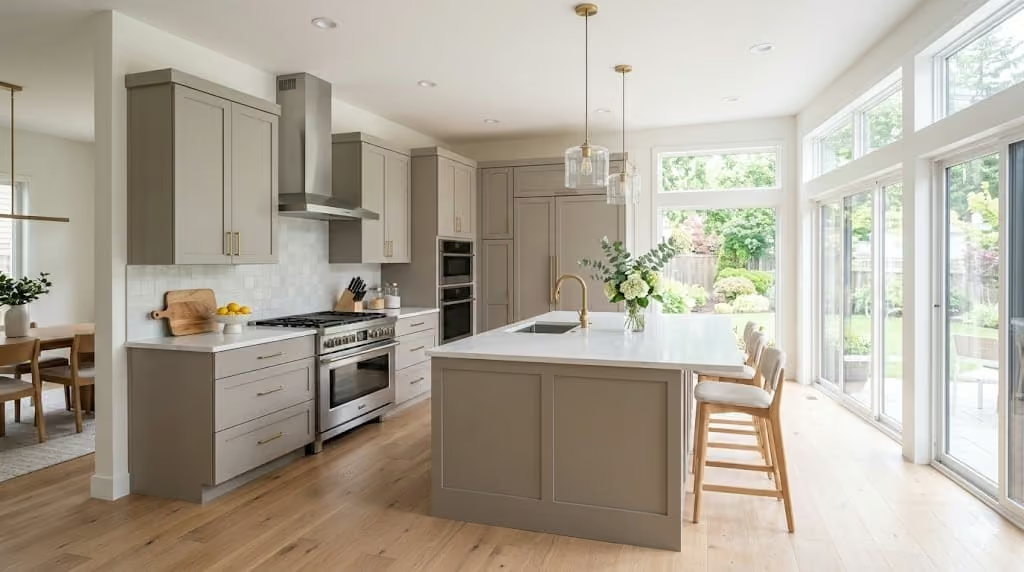
More Spring TX homeowners are thinking about aging in place — staying in their homes comfortably and safely as they get older rather than moving to assisted living or a smaller property. Flooring plays a larger role in this decision than most people realize. The right flooring can reduce fall risk, support mobility aids, and make daily life easier. The wrong flooring can create hazards that become serious problems over time.
When selecting flooring for a home designed for long-term living, four factors matter most:
Luxury Vinyl Plank (LVP): The top recommendation for aging-in-place homes in Spring TX. LVP is smooth enough for mobility aids, has enough texture to provide slip resistance, and is 100% waterproof — critical for bathroom and kitchen areas where spills are common. It is also comfortable underfoot and available in a wide range of styles that do not look institutional.
Low-pile carpet: A good choice for bedrooms and living areas where comfort is the priority. Low-pile carpet (under 1/2 inch) provides cushion for falls without creating the resistance that thick carpet does for walkers and wheelchairs. Avoid high-pile or shag carpet in any area used by someone with mobility challenges.
Porcelain tile with textured finish: An excellent choice for bathrooms and kitchens when selected with a slip-resistant surface rating. Smooth, polished tile is a fall hazard when wet. Look for tile with a coefficient of friction (COF) rating of 0.60 or higher for wet areas.
Hardwood and engineered hardwood: Beautiful and durable, but requires careful selection. Smooth-finish hardwood can be slippery, especially in socks. A matte or satin finish with a slight texture is safer than a high-gloss surface. Hardwood works well in living and dining areas where spills are less common.
Several flooring choices that are popular in general remodeling are poor choices for aging-in-place homes:
The best time to plan aging-in-place flooring is before mobility becomes a concern, not after. Retrofitting a home for accessibility is more expensive and disruptive than planning for it during a renovation. If you are remodeling any part of your Spring TX home, it is worth having a conversation about how flooring choices will serve you 10 or 20 years from now.
LoneStar Flooring and Cabinets works with Spring TX homeowners to select and install flooring that is both beautiful and practical for long-term living. Visit our showroom at 1208 W Riley Fuzzel Rd, Spring TX 77373, or call (281) 364-7788 to discuss your project.

.svg)
.svg)